
Thank you for Subscribing to Healthcare Business Review Weekly Brief
× 
Healthcare Business Review Weekly Brief
Be first to read the latest tech news, Industry Leader's Insights, and CIO interviews of medium and large enterprises exclusively from Healthcare Business Review
A featured contribution from Leadership Perspectives: a curated forum reserved for leaders nominated by our subscribers and vetted by the Healthcare Business Review Advisory Board.

Carepoint Health System
The Crisis of the Front-Line Worker
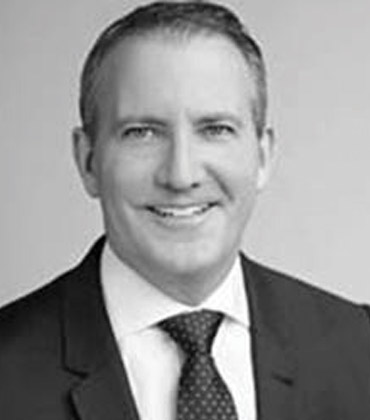
John Rimmer
The COVID-19 pandemic has had a profound effect on the experience and expectations of societal infrastructure. While most of us adjusted to new challenges, first responders and healthcare professionals became the weight-bearing pillars of society's safety net. As many working professionals adjusted to new options for remote productivity, the average healthcare worker and first responder were challenged with not only the hazards of the pandemic but also a depleted labor force, which magnified the work stressors that are native to the industry. As society shut down, front-line workers and healthcare professionals went to work and saved lives. As we emerge from Covid, examining the readiness and well-being of our healthcare workforce is needed.
Overall, healthcare and its related industries employ more people in the United States than any other profession, per the U.S. Census Bureau. Thus, the well-being and support of our healthcare and first responder workforce is as much of a clinical need as a public health crisis and possibly a national security construct. If another generational societal health crisis were to arrive soon, there are large concerns for the system's ability to absorb the challenge.
Since the pandemic, there has been a palpable mental health crisis apparent in the industry, with some studies remarking half of HCWs experience at least one mental health condition, with depression and anxiety leading, followed by PTSD and suicidality. Nurses are twice as likely to suffer depression than the general population and have a higher rate of suicide. More police and firefighters died of suicide last year than in the line of Duty. In a Danish study, physicians had a higher rate of suicide than 55 other professions surveyed. And notably, female physicians are at even higher risk. A recent study in JAMA places 67 percent of physicians as having mild to severe PTSD symptoms and 46 percent displaying mild to severe depressive symptoms. Thirty percent of first responders will develop PTSD or depression.
There have long been efforts in healthcare to offer military veterans a different approach to their care communication and dynamics. Gaining trust via a deeper understanding of the environments they served is a crucial step to optimizing the outcomes of veterans. In the wake of the pandemic, front-line workers should be treated with a similar approach. Licensing and credentialing bodies should avoid language which could dissuade someone from seeking care for mental health. EAP programs should evolve from an extension of human resources to one of safe harbor.
The primary care apparatus in the United States should refine and enhance our approach to the care of the front-line worker
At Carepoint Health, recognizing this crisis, we developed the MindLine program for front-line support- which allows prioritized access for front-line workers to free mental health care, even allowing anonymity for several teletherapy visits to start. Gaining the trust of police, firefighters, EMTs, physicians, nurses, and other healthcare workers, in the first month of the program, we fielded calls from a range of people who would have otherwise been avoidant of their symptoms or found limited access to care otherwise. This has not only assisted in definitive care for these patients but also helped solidify a workforce that has found significant challenges of attrition via burnout and emotional fatigue.
The primary care apparatus in the United States should refine and enhance our approach to the care of the front-line worker. Statistically, this is an at-risk population, emersed in a culture of expected 'toughness,' with barriers to care related to income and licensing stability, who carried society through the heat of the pandemic, and now deserve the time and attention they have not yet been afforded.
The articles from these contributors are based on their personal expertise and viewpoints, and do not necessarily reflect the opinions of their employers or affiliated organizations.
