
Thank you for Subscribing to Healthcare Business Review Weekly Brief
× 
Healthcare Business Review Weekly Brief
Be first to read the latest tech news, Industry Leader's Insights, and CIO interviews of medium and large enterprises exclusively from Healthcare Business Review
A featured contribution from Leadership Perspectives: a curated forum reserved for leaders nominated by our subscribers and vetted by the Healthcare Business Review Advisory Board.

Community Hospital
The Power of Technology In Healing
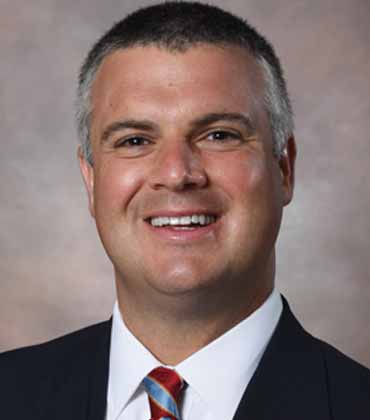
Dr. Robert Clemency III
1. In your opinion, how has the Wound Care landscape evolved over the years? What are some of the advantages of the current technological evolution?
The history of wound medicine spans from prehistory to modern medicine. Throughout its history, wound medicine has been vital in the development of best practices as it pertains to hygiene, wound care techniques, and surgery to heal the most difficult wounds. With regard to current technological advancements in wound care, therapies for non-healing diabetic, venous and arterial insufficiency wounds include advanced wound dressings, skin substitutes, and topical gene therapy as well as advanced therapies improving arterial and venous circulation.
2. What according to you are some of the challenges plaguing the Wound Care landscape and how can they be effectively mitigated?
The challenges that plague the wound care landscape in many ways are similar to the broader healthcare space as with access to care and approval for many of the advanced therapeutics coming to the marketplace in the past few years. Many patients could benefit from a comprehensive approach including utilization of advanced wound care dressings, skin substitutes, and many of the new original therapies for topical medication, but cost controls and insurance approvals have made many of these life-changing therapies out-of-reach for a large portion of the wound care patient population. The complexity of the medical issues found in the patient with chronic wounds also creates difficulties in treating the patient. Presenting with many chronic conditions can create significant difficulty in healing chronic wounds coupled with many of the social issues that plague this patient population and makes management difficult.
To effectively mitigate these issues, Community Hospital’s outpatient program centers on a comprehensive approach found in many hospital-based wound care programs where the patient has access to many of the physician specialists and the most advanced wound care techniques available. A comprehensive approach to wound care management is essential not only to healing difficult wounds but preventing the recurrence of those wounds.
3. Which are a few technological trends influencing Wound Care today? What are some of the best practices businesses should adopt today to steer ahead of competitors?
Gene therapy will continue to play a vital role in how we understand wounds and their microenvironment and will influence how we continue to develop advancements in wound dressings and skin substitutes in the future. Best practices businesses should adapt when considering the Wound Care/Wound Management space is practicing good medicine. Adopting a comprehensive team approach to the management of difficult wounds is essential. Considering the patient’s overall medical conditions when evaluating their wound is central to good medical management. Advancements in wound care dressings and skin substitutes have been tremendous and a great asset in healing difficult wounds, but without a comprehensive approach as it pertains to treating many of these patients’ medical conditions, these therapies will not be helpful. When considering diabetic, venous, and arterial wounds of the lower extremity, good wound care practices are essential and are not negated by many of these technological advancements. This includes, but is not limited to the absence of infection, optimization of arterial and venous blood flow, good debridement, offloading when appropriate and good nutrition. These recent technological advancements in wound care remain a tool in our toolbox but do not replace standard wound care practices as noted above.
4. Do you have any advice for industry veterans or budding entrepreneurs from the Wound Care space?
I think as wound medicine and surgery continues to grow and develop into its subspecialty of medicine, we will see further advancements in technologies geared toward treating difficult to heal wounds. I believe many of the synergies that exist between subspecialties involved in the treatment of chronic non-healing wounds will be an area for growth for many companies. Understanding the basic principles of wound care and recognizing when advanced therapies will be helpful allows for the cost-effective application of many of these new technologies. What do I mean by this? Recognizing that many subspecialties involved in the care of chronic non-healing wounds have something to offer that patient, but streamlining those services creates efficiency leading to more cost-effective care. There may come a day when the treatment of chronic non-healing wounds will be relegated to bundle payments and it will then be the wound care physician’s responsibility to render care including the utilization of advanced therapies in a cost effective manner.
The articles from these contributors are based on their personal expertise and viewpoints, and do not necessarily reflect the opinions of their employers or affiliated organizations.
