
Thank you for Subscribing to Healthcare Business Review Weekly Brief
× 
Healthcare Business Review Weekly Brief
Be first to read the latest tech news, Industry Leader's Insights, and CIO interviews of medium and large enterprises exclusively from Healthcare Business Review
A featured contribution from Leadership Perspectives: a curated forum reserved for leaders nominated by our subscribers and vetted by the Healthcare Business Review Advisory Board.

Banner Health
A Person-Centered Approach to Dementia Care
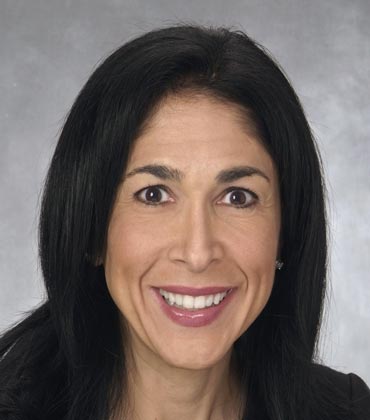
Lori Nisson
A Personal Commitment to Dementia Care
My interest in this work is deeply personal. I watched my maternal great-grandmother live with Alzheimer’s during the last decade of her life, and my close relationship with my maternal grandparents further shaped my commitment to serving older adults. Since then, I’ve had many exceptional mentors and the privilege of supporting thousands of families living with dementia, serving as a strategic advisor to help them navigate this complex journey. Recognizing that people need support in different ways, I’ve facilitated the development of a range of programs—from clinical social work services and health coaching programs to complementary education, support groups, life engagement opportunities, our Beacon caregiver newsletter and our award-winning Dementia Untangled podcast.
Organizations can better support caregivers and improve quality of life by taking a holistic, person- and family-centered approach. This includes expanding access to education, support groups and respite services; integrating medical and nonmedical care; and offering flexible, culturally, and socially responsive resources that meet people where they are. Equally important is proactively engaging caregivers early, equipping them with practical tools and emotional support, and ensuring care models prioritize both the well-being of the individual living with dementia and those caring for them.
Leadership Lessons in Innovation and Equity
eveloping innovative brain health and dementia programs has reinforced the importance of listening to patients, caregivers and frontline teams to ensure solutions reflect real needs. To stay grounded in that perspective, I continue to see patients and caregivers in the clinic each week, and we regularly survey people, family caregivers and community partners to explore gaps and opportunities for improvement.
Effective leadership means keeping people at the center— supporting not only patients, but also caregivers and the workforce who care for them.
I’ve learned that collaboration across disciplines and community partners is essential for meaningful, sustainable impact. At the same time, innovation requires adaptability and humility—being willing to learn, adjust and evolve as needs and evidence change.
Equally important is a strong focus on equity and increasing access to ensure advances benefit all communities. Above all, effective leadership means keeping people at the center—supporting not only patients, but also caregivers and the workforce who care for them.
Emerging Advancements and Advice for Professionals
Looking ahead, two of the most impactful advancements in dementia care are blood-based biomarkers and immunotherapies. Blood-based biomarkers are improving our ability to detect disease earlier and more accurately, enabling timely intervention, better treatment targeting and more personalized care planning while cognition is still relatively preserved. At the same time, immunotherapies are shifting care toward diseasemodifying treatment. As these therapies expand, they will require new care models that address monitoring, safety and coordination—along with stronger education and support for patients, caregivers and clinicians navigating complex decisions.
Focus on listening first—to individuals, caregivers and frontline teams—so your work reflects real needs. Build strong cross-disciplinary and community collaborations and stay adaptable as the landscape evolves.
Professionals are encouraged to join our free BAI Dementia ECHO, a virtual, collaborative training and mentoring program. Multidisciplinary healthcare professionals connect with dementia specialists via videoconferencing at regular intervals to build dementia care capacity and mitigate the shortage of specialists. For individuals, families and caregivers, we invite you to explore the Dementia Friendly Arizona movement, which works to foster communities that better support people living with dementia and their care partners or tune into our Dementia Untangled podcast, featuring experts, researchers and caregivers sharing practical insights and real-world experiences.
Above all, stay grounded in empathy—approaching each interaction with genuine curiosity, compassion and respect for the lived experiences of those affected by dementia. This means listening without judgment, recognizing the emotional and practical challenges families face, and responding in ways that honor their dignity, values and individual journeys.
The articles from these contributors are based on their personal expertise and viewpoints, and do not necessarily reflect the opinions of their employers or affiliated organizations.
