
Thank you for Subscribing to Healthcare Business Review Weekly Brief
× 
Healthcare Business Review Weekly Brief
Be first to read the latest tech news, Industry Leader's Insights, and CIO interviews of medium and large enterprises exclusively from Healthcare Business Review
A featured contribution from Leadership Perspectives: a curated forum reserved for leaders nominated by our subscribers and vetted by the Healthcare Business Review Advisory Board.

Temple Health – Temple University Health System
A Career Built on Mentorship, Education, and Collaboration
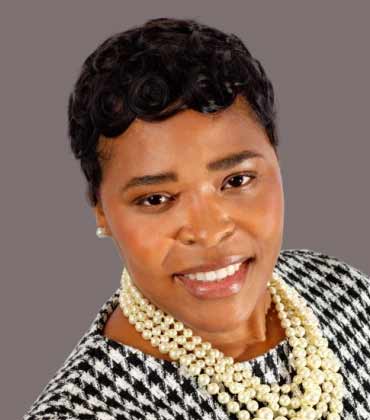
Dr. Shakyra Moore
Dr. Shakyra Moore serves as Director of Radiology Operations at Temple Health – Temple University Health System. With a doctorate in education and a master’s in healthcare administration, she brings expertise in strategic leadership, operational efficiency, and culturally competent care to enhance patient outcomes and empower frontline radiology teams.
Mentorship and collaborations have led to my career advancement. Over the years I have built strong relationships with colleagues and specialists and engaged in multidisciplinary teams that have helped foster my leadership development and opened new opportunities for me. Completing my doctorate in education was a milestone that I’m extremely proud of. It has helped me focus on developing practical skills and knowledge to lead my team and address real-world problems with practice. My coursework, research and projects have helped me to be able to bring strategic transformational leadership to the healthcare setting.
Meeting Patient and Team Needs
Cultural competence is crucial to promote ongoing training to educate the radiology team on cultural practices, beliefs, and effective communication techniques to address cultural biases. Having self-awareness in understanding your own cultural biases and how they might affect patient interactions. Promoting patient-centered care to be tailored to individuals’ needs and preferences, which includes actively listening to patients and incorporating their values and cultural beliefs into their care. Community engagement and outreach: we have collaborated with community organizations and leaders to bring awareness to the services that radiology offers at our locations.
I try to promote a shared governance model, where the team has a voice in decision-making processes. This helps foster ownership and engagement in quality improvement initiatives. Recognizing the team’s contributions to quality initiatives and improvements motivates the team and reinforces their sense of ownership. Leveraging quality improvement initiatives with the team has helped analyze the causes of medical errors, implement policies to prevent them and continuously improve patient outcomes. Ongoing education and training help the team stay up to date on new protocols, intervention methods and best practices. Also, having open and transparent communication encourages their participation and assumes more active roles in the organization’s sustainability.
View setbacks as opportunities for growth and improvement and enhance your ability to navigate difficult situations effectively by developing problem- m solving skills
Tackling Bias, Tech and Burnout
One challenge is the impact of cognitive biases on image interpretation. It is often overlooked because healthcare systems often prioritize addressing system-related errors like equipment malfunctions or workflow inefficiencies. Cognitive biases are subconscious thought processes that can subtly influence decision-making, making them harder to recognize and address compared to technical or system issues. Cognitive biases, such as fixating on initial impressions or satisfaction of search, stopping the search for abnormalities after finding one can lead to misinterpretations and missed diagnoses. This can have severe consequences for patient care, potentially resulting in incorrect treatment plans or delayed diagnoses. While not immediately apparent, the subtle delays and potential for repeat interpretations caused by cognitive biases can subtly impact overall workflow efficiency. This can contribute to longer turnaround times for reports and potentially increase workloads for radiologists. When a diagnosis is missed due to bias, it can lead to unnecessary follow-up exams, additional consultations, and even legal ramifications, adding further strain on radiology resources.
Optimizing workflows, looking at strategies to streamline image capture workflows while trying to maximize asset utilization. Enhancing patient experience, focusing on patient communication and implementing patient-centered care approaches, which include providing clear explanations, addressing anxieties, and ensuring a comfortable environment. AI tools are becoming increasingly refined, assisting radiologists with tasks like cancer detection, anomaly identification, and image interpretation. They can process large amounts of data quickly, potentially reducing turnaround times and improving patient outcomes. By watching these trends closely and proactively adapting, I can optimize the radiology departments for improved efficiency, diagnostic accuracy, and patient satisfaction, ensuring longterm success in the evolving healthcare landscape.
Prioritize self-care; make time for rest and recovery. Ensure you get adequate sleep, take breaks during shifts, and utilize your vacation time to fully disconnect from work. Establish clear lines between work and personal life to resist the urge to constantly check work emails or messages during your time off. Set realistic expectations for your workload. Communicate your needs with leadership and advocate for a schedule that allows for adequate rest and work-life balance. View setbacks as opportunities for growth and improvement and enhance your ability to navigate difficult situations effectively by developing problem-solving skills.
The articles from these contributors are based on their personal expertise and viewpoints, and do not necessarily reflect the opinions of their employers or affiliated organizations.
