Thank you for Subscribing to Healthcare Business Review Weekly Brief
× 
Healthcare Business Review Weekly Brief
Be first to read the latest tech news, Industry Leader's Insights, and CIO interviews of medium and large enterprises exclusively from Healthcare Business Review
A featured contribution from Leadership Perspectives: a curated forum reserved for leaders nominated by our subscribers and vetted by the Healthcare Business Review Advisory Board.

OU Health
Collaborative Care Model: An Innovative Approach to Staffing in the Post-Covid World
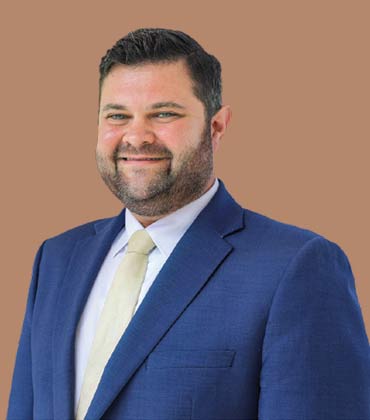
Jimmy Williams, PharmD, MBA, BCGP
The staffing challenges experienced by hospitals amid the COVID-19 pandemic have been a multifaceted struggle, stretching the limits of healthcare systems worldwide. Beyond the obvious surge in patient numbers, hospitals grappled with unprecedented demands on their workforce. Exhausted medical professionals faced prolonged periods of intense stress, often working extended hours while contending with emotional fatigue. The need for specialized skills, especially in critical care and respiratory therapy, highlighted the scarcity of certain healthcare professionals. Simultaneously, the virus itself posed a threat to the workforce, with healthcare workers at risk of infection. This confluence of factors underscored the pressing need for innovative solutions, from telehealth initiatives to cross-training staff, to alleviate the strain on hospitals and ensure the sustained well-being of their dedicated personnel. The pandemic served as a stark reminder of the vital importance of investing in healthcare infrastructure and personnel to better navigate unforeseen challenges in the future.
Beyond The Realms Of Safety And Efficiency, The Involvement Of Pharmacists In The Medication Reconciliation Process Underscored The Holistic Approach Adopted By OU Health
At OU Health, we have pioneered an innovative collaborative care model, revolutionizing patient management by organizing them into pods of 10-12 individuals. Each pod is expertly staffed, featuring a licensed practical nurse (LPN), a pharmacist, and dedicated unit-based phlebotomists and mobility technicians. Under the leadership of a registered nurse (RN), approximately three pods form a unit. This approach offers a nimble staffing solution, mitigating the demand for RNs, a resource in short supply. To optimize this model, we empowered pharmacists to oversee medication management comprehensively, from administration to reconciliation. Through the development of competencies and training programs, pharmacists gained the ability to administer medications, including IV pushes and piggybacks.
The introduction of unit-based pharmacists yielded numerous benefits, significantly reducing medication errors during the phased implementation. Pharmacists demonstrated proficiency in scanning medications, ensuring adherence to the five rights of administration, and enhancing pump programming compliance. Moreover, their involvement in medication reconciliation during admissions and discharge proved instrumental in mitigating errors across the system. The model also streamlined main pharmacy operations, with floor-based pharmacists addressing issues that would otherwise result in phone calls. Responsible for verifying orders within their units, these pharmacists, working closely with providers, facilitated prompt issue resolution. Clinically, their availability for vancomycin consultations and monitoring warfarin allowed our clinical pharmacists in the ICUs to concentrate more on patient-focused care. OU Health's innovative model exemplifies a paradigm shift in healthcare, emphasizing efficiency, safety, and the pivotal role pharmacists play in enhancing overall patient outcomes.
In the face of unprecedented challenges, the innovative collaborative care model pioneered by OU Health has not only addressed the immediate staffing issues posed by the COVID-19 pandemic but has set a transformative precedent for the future of healthcare delivery. By creating patient pods and empowering a diverse team of healthcare professionals, OU Health demonstrated adaptability and foresight in the midst of crisis. The integration of unit-based pharmacists, responsible for comprehensive medication management, not only bolstered safety measures but significantly enhanced operational efficiency. As this model unfolded floor by floor, the tangible reduction in medication errors showcased the model's immediate impact on patient care. Beyond the realms of safety and efficiency, the involvement of pharmacists in the medication reconciliation process underscored the holistic approach adopted by OU Health. This collaborative care model stands as a beacon of resilience, showcasing the healthcare industry's capacity to innovate and adapt in the face of adversity. As we reflect on the lessons learned during the pandemic, OU Health's proactive response serves as a guiding light, emphasizing the critical importance of investing in innovative healthcare solutions to build a more robust and patient-centric future.
The articles from these contributors are based on their personal expertise and viewpoints, and do not necessarily reflect the opinions of their employers or affiliated organizations.
