
Healthcare Business Review
About UsConferencePartner With Us
  • Patient Care
    Medical Transportation
    Plastic Surgery
    Regenerative Medicine
    Therapy Services 
  • Operations
    Consulting Service
    Digital Transformation
    Financial Services
    Healthcare Insurance
    Healthcare Marketing
    Healthcare Outsourcing
    Healthcare Staffing
    Medical Billing
  • Healthcare Services
    Facility Management Services
    Healthcare Education
    Healthcare Procurement
    Smart Care Services
  • Leadership Perspectives
  • Insights
  • News
  • Magazines
    • APAC
      • US
      • EUROPE
      • APAC
      • CANADA
      • LATAM

Thank you for Subscribing to Healthcare Business Review Weekly Brief

A featured contribution from Leadership Perspectives: a curated forum reserved for leaders nominated by our subscribers and vetted by the Healthcare Business Review Advisory Board.

Betsi Cadwaladr University Health Board

Dr James Risley BMedSci(Hons) BMBS MRCS DOHNS GDL LLM FRCEM FFMLM MBA, Deputy Executive Medical Director

Driving Innovations in Healthcare Using AI
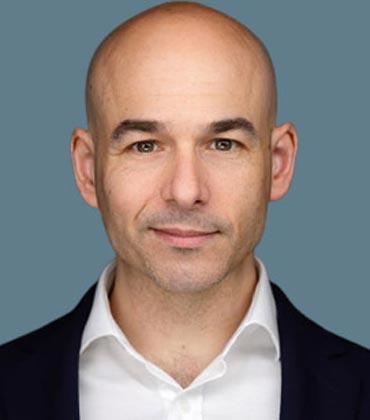
Dr James Risley BMedSci(Hons) BMBS MRCS DOHNS GDL LLM FRCEM FFMLM MBA

Dr James Risley

Healthcare AI Steward

Dr James Risley is a Consultant Emergency Medicine Physician with two decades of experience. He has a diverse background which includes surgical training, qualifications in law and an Executive MBA from Cambridge University. Currently, as the Deputy Executive Medical Director for Betsi Cadwaladr University Health Board, Dr Risley leads initiatives to meet the healthcare needs of North Wales. He provides senior leadership across the entire healthcare system, notably in relation to the subject of this article in Research & Development and Digital, Data & Technology, and he also sits as an appraiser for Health Technology Wales. His expertise and leadership continue to profoundly impact the medical field.


In an exclusive interview with Healthcare Tech Outlook Europe, Dr Risley shares his valuable insights into challenges and opportunities in the industry for start-ups, and how AI can be effective in the healthcare sector. 


Does your background in law and entrepreneurship align with your current role?


My legal background has proven particularly valuable in clinical governance, where being able to systematically problem-solve and use deductive reasoning helps to identify the root causes of clinical incidents and patient harm. This then allows the right remedial actions to be implemented to ensure that we can minimise any further risks to patients.


Completing the Executive MBA program involves developing, amongst many other things, a comprehensive understanding of how an organisation should function. My current position in Betsi Cadwaladr focuses on helping to support and run clinical services across North Wales, and drawing on the combination of knowledge of key business practices and my clinical experience really helps when delivering at an executive level.


More broadly, Cambridge University’s specific emphasis on entrepreneurship and venture creation resonates strongly with my interest in healthcare technology. This has facilitated my involvement in assisting and guiding healthcare sector start-ups, where my role is to support ventures to identify their true value-creation potential, and how they can effectively convert their concept or product directly to improving patient care.


Since you focus on innovation, what potential difficulties do you see for start-ups and entrepreneurs in this space?


A significant challenge faced by start-ups in the healthcare sector is navigating the intricacies of interacting with the National Health Service (NHS), and being able to effectively demonstrate the value of their product. This issue has arisen because the NHS actually comprises many disconnected individual organisations in the form of, for example, Hospitals, Trusts and Health Boards. Consequently, entrepreneurs often have to engage in multiple discussions regarding the value of their product with a number of different procurement departments, each of which have legacy systems and processes that differ across organisations. These discussions can be difficult. They may result in the need to adapt a product to suit the distinct needs of each organisation, a process and compromise that some founders may be reluctant to undertake despite its importance to maximising the likelihood of their product being adopted.


A further issue arises when a start-up’s product cannot not be immediately translated into cost savings. Many innovations are geared towards enhancing patient outcomes. However, in a time of critical financial strain on the NHS, a big challenge lies in quantifying the financial value of such outcomes against a backdrop of constrained resources and existing services competing for limited financial resource. 


How can start-ups mitigate these challenges?


Start-ups in the healthcare sector face different challenges to established companies when trying to contract with the NHS, and may find it advantageous to focus initially on the private sector rather than pursuing a direct approach with the NHS. Although counter-intuitive, this strategy involves directly engaging with patients, allowing for exploration and product development in the private sphere, which can serve as a compelling use-case when later approaching the NHS. Attempting to introduce new technologies directly into the NHS without prior implementation at scale can lead to uncertainty for those making decisions on procurement because it is difficult quantify the products value without robust evidence demonstrating improved patient care outcomes.


The increasing demand for private healthcare, driven partly by increasing waiting lists, presents a burgeoning market for start-ups. By addressing the needs and preferences of patients in this expanding landscape, entrepreneurs can position their innovations for success and foster positive customer relationships directly with patients. This approach allows start-ups to validate their solutions and provides valuable insights through direct customer feedback. Further, this approach may also help to relieve pressure on NHS services in the event that their product succeeds.


With this  robust evidence in hand, start-ups can then approach NHS organisations with a compelling value proposition bolstered by a proven track record of successful implementation. By acknowledging the interplay between private healthcare and patient care, start-ups can strategically position themselves for long-term growth and future collaboration with the NHS.


What general advice would you give these start-ups?


It is crucial to reframe setbacks as opportunities for growth and improvement, rather than dwelling on perceived failure. I know it’s not easy, but I’d say always focus on a ‘win or learn’ mindset. Embarking on the journey of developing a start-up is often far more challenging and time-consuming than anticipated, with periods of no movement followed by moving at a frenetic pace. Many individuals who venture into this sphere possess a history of being highly motivated, driven, and dynamic in their personal and professional lives, accustomed to achieving their personal goals through sheer determination. However, the landscape of entrepreneurship introduces a unique dynamic where you may at points need to rely heavily on the collaboration and support of others. Consequently, achieving milestones or timelines solely through accustomed personal willpower may be difficult, which can easily lead to frustration and demotivation.


A balanced and informed approach to AI adoption is essential when considering its potential benefits and the practical challenges that accompany its implementation in healthcare


Understanding that their success often depends on numerous external factors and cooperative relationships with other stakeholders is crucial for maintaining realistic growth expectations and being able to adapt to unforeseen challenges. This acceptance fosters resilience, ensuring that setbacks are treated as learning experiences which can ultimately increase their chances of success in the long-term.


How can AI be utilised in the context of the challenges you mentioned earlier?


The benefit and use of AI lies in accurately defining its purpose, and currently it often seems to be used as a vague catch-all term as the solution for all problems. In healthcare, selling AI as a complete replacement for individuals is premature and unrealistic. Instead, for now and the near future, I believe AI should be viewed as a tool to aid and expedite and support, rather than entirely replace, human decision-making.


A significant challenge concerning AI relates to regulation, establishing governance around its use, and ensuring the accuracy and fairness of input data. AI's iterative nature means that its outcomes and performance may change significantly if regulatory approval is achieved prematurely before sufficient algorithmic learning has occurred. The continuous learning process with the ongoing influx of information must be carefully considered when it comes to responsible AI regulation.


Is staff shortage still a pertinent issue in the healthcare sector?


The healthcare sector faces a substantial supply-demand imbalance concerning essential staff such as doctors, nurses and other allied healthcare professionals. This shortage will not be resolved quickly, prompting consideration of AI as a potential solution. However, as I mentioned earlier, fundamental questions around the role of AI in healthcare remain, and I am sceptical about its ability to replace individuals at this time, in this context. 


For me, acknowledging the irreplaceable value of person-to-person interactions in healthcare is important. Patients often disclose intimate information to their healthcare professionals, using verbal and non-verbal cues, fostering a bond and rapport that is essential for accurate diagnosis and treatment. How this trust and communication with patients is established is a complex and unique process, and one which significantly influences the effectiveness of healthcare provision. The challenge emerges when contemplating how algorithms can replicate such intricate relationships to elicit the necessary information from patients and achieve optimal outcomes. Consequently, the focus should be on viewing AI as a decision-making tool to enhance the capabilities of healthcare professionals, facilitating informed decision-making and augmenting their productivity. 


What is your advice for companies developing AI-based solutions to cater to the healthcare sector?


The key with AI lies in the expertise of those developing and implementing it. Many companies, driven by overconfidence and lacking sufficient expertise, often promise more than they can deliver; the recent challenges faced by Babylon can be seen as evidence of this. The mismatch between promises and reality poses significant challenges for investors when considering the potential value of a product, especially those in the prototype phase of development. So, make sure you have the right people who have a true understanding  not just of medicine, but also of healthcare delivery, and beware over-promising.


Another important concern is determining liability when AI-driven systems fail. For instance, if an AI platform misses a critical diagnosis, who bears responsibility? Is it the software creators? The healthcare organisation that purchased it? The doctor who was using it as a decision-making aid? Addressing liability will become even more complex when questions concerning algorithmic development and the training data used come more into the spotlight, which I believe they will. Companies must therefore ensure that they have extremely clear governance around the development of their products in the event that this is challenged in the future.


In certain domains, like robotic assisted surgery, I have seen companies attempt to sell the idea of future autonomous systems that can eventually replace human operators. Given the current technological and regulatory limitations, such ambitious claims require a realistic assessment and investors must be cautious when evaluating these companies for their true value. Ensuring responsible and transparent development and assessing the true feasibility of AI's capabilities is crucial to avoid undue risks for investors for what is essentially often unproven technology. 


Accountability and authenticity are also critical factors. Investors seek transparency and honesty, not exaggerated claims, and being forthright with investors is essential for sustainable and meaningful partnerships. A balanced and informed approach to AI adoption is essential when considering its potential benefits and the practical challenges accompanying its implementation in healthcare. Scrutiny, ethical considerations and realistic expectations are paramount to realising AI's true value in diverse settings, particularly in healthcare. For me, it’s really important that we don’t lose sight of these principles if AI is going to most effectively serve its ultimate function: improving patient experience and outcomes.


I am still unclear as to whether it should be seen, as many would have us believe, as a unicorn solution to our healthcare problems, or indeed whether it is actually a chimera in disguise.


The articles from these contributors are based on their personal expertise and viewpoints, and do not necessarily reflect the opinions of their employers or affiliated organizations.

Weekly Brief

loading

Editorial Lens

Healthcare AI now demands executive judgment that can separate practical clinical value from unproven claims, regulatory uncertainty and implementation risk. This perspective sharpens why enterprise healthcare leaders must connect innovation with governance, evidence and patient outcomes before scaling AI across care systems.

The Leadership Perspectives forum brings together voices shaping the healthcare ecosystem. Participation is by invitation only. It features leaders who are not merely observing changes in care delivery, but actively contributing to them through clinical, operational, and patient-focused insights.

> <
  • Facility Management Services 2026

    Current Issue
  • Current Issue
  • Current Issue
  • Facility Management Services 2026

    Current Issue
EDITOR'S CHOICE
  • Audio Help Hearing Centers Dr. Ariella Naim, Senior Audiologist Differences Between Over-The-Counter Devices And Prescription Hearing AIDS
  • Corewell Health East Imana Mo Minard MSN-ed, RN, CENP, EMT-P, Director of Nursing Resilience in Modern Healthcare
  • Aspen Medical – Fiji Dr Ana Maria Y. Jimenez, Executive Director of Nursing Leading High-Reliability Healthcare Delivery
  • Compass Health Network Michaela Muehlbach, VP of Outpatient Therapy and Counseling Services Transforming Behavioral Health with Smarter Care Models
  • Stamford Health Tamika Williams, Enterprise Director Access & Contact Center Operations Rethinking Patient Access For A Changing Healthcare Landscape
  • Aspen Medical Health Care Ana Maria Y. Jimenez, JCI Lead and Executive Director of Nursing Crafting Tomorrow's Care: A Vision For Nursing Excellence
  • Care New Mark Yerrick, System Vice President, Facilities and Real Estate Driving Factors and Innovations in Healthcare Real Estate Services for Value-Based and Patient-Centered Care
  • Beacon Health System Mario Ellis, CHRO Embracing Curiosity and Creativity is the Key to HR Transformation
  • Omada Health Terry Miller, Vice President of AI & Machine Learning Engineering Turning Promising Ai Into Meaningful Customer Impact
  • Millennium Physician Group Zenobia Brown MD, MPH, Chief Medical Officer, Florida Building A More Human-Centered Healthcare System
  • CarePoint Health System Cynthia Mercado-Reyes, Manager of Infection Control Preventative Medicine A Journey of Growth and Leadership in Infection Control Space
  • UofL Health Marina Hayden, Sr Manager, Revenue Cycle Business Partner Navigating the Future: Emerging Trends in Medical Billing and Revenue Cycle Management
  • Relias Healthcare Heidi Blanchard, Senior Director of Recruitment and Staffing Optimization Building Healthcare Recruitment through Trust and Partnership
  • Baptist Health Debbie Davis, Director of Marketing Leadership Lessons in Healthcare Marketing
  • Prime Healthcare Emma Monaco, Director, Post-Acute Strategy, Business Development Operations and Physician Relations, Marketing Challenging the Status Quo to Improve Patient-Centered Care
  • Conway Medical Center Gene Warren, Director of Marketing Elevating Healthcare Through Smart Brand Strategy
  • Children’s National Hospital Brian Barnett, Director of Operations & Business Development, Transport Medicine and Neonatology Overcoming a Manual Process with a High-Tech Solution
  • InterGen/ Amazing Home Care Elliot J. Kahan, Chief Marketing Officer, Centers Health Care, and Dr. Raina VanDyke, DNP, MSN, RN, Vice President, Clinical Operations Home Care Reimagined in the 21st Century
  • WellSpan Health Benjamin Lego, Senior Director of Risk Management Rethinking Healthcare Risk in an Age of Convergence
  • UT Southwestern Medical Center Yunus Emre Tarhan, Medical Director Medicare Reform: Addressing Financial Sustainability Urgency
  • Providence St. Joseph Health Patrick Donovan, Director of Supply Chain Decision Support The Role of Inventory Management in Healthcare
  • Le Bonheur Children’s Hospital Sarita Wilson-Guffin, Director of Spiritual Care The Role and Benefits of Spiritual Care in Healthcare
  • NYU Langone Health Dr. Paul Testa, Chief Medical Information Officer Continuing Excellence in Healthcare at Home
  • CommonSpirit Health Ambrosia Johnson, System Manager, Pharmacy Medication Safety Creating a Culture of Trust and Accountability in Medication Safety
  • Mosaic Life Care Deborah Vancleave, VP of Revenue Cycle A Front-End Preventive Approach to the Revenue Cycle Contributes to a Positive Patient Financial Experience
  • Infrastructure Ontario Amy Sorrenti, Director, Insurance & Risk Building Resilience: Navigating The Future Of Construction Insurance
  • Vice President & Chief Pharmacy Officer at St. Luke’s Health System Kelley Curtis, PharmD, MBA Revolutionizing Medication Access: Lockers, Micro-Pharmacies, and Home Delivery
  • Cone Health Andre Harvin, Executive Director of Pharmacy, Oncology How Revenue Integrity in Pharmacy could Supercharge Your Organization
  • Driscoll Children’s Hospital Dino Scanio MPH, Doctoral Candidate, Multiservice Hospital Director Enhancing Chronic Care Management in Hospital Operations
  • Regional One Health Matt Koyak, Senior Director of Marketing and Communications Healthcare Marketing Built on Simplicity and Trust
  • Inc. [EPA:BIM] Andrew Parker, Vice President, Corporate Business Development and General Counsel, bioMérieux How Pioneering Technologies Streamline and Improve Clinical Care
  • Hartford HealthCare Medical Group Dr. Wilner samson, Senior Medical Director for Primary Care Transformation Digital Transformation in Healthcare
  • Singapore Enming Yong, MD MBA, Head, Vascular Diagnostic Laboratory, Tan Tock Seng Hospital, Singapore, Joseph Lo, MD FRCS FACS, Vascular Surgeon, Woodlands Health Emerging Trends and Opportunities for Wound Care in Asia: Of Team-based Approach, Wound Care Centres, Digital Health, and Translational Innovations
  • Saint Francis Health System Sandi Wagner, Virtual Services Director Navigating Emerging Challenges in Healthcare: Transformative Solutions and Patient-Centric Approaches
  • Essentia Health Julie Singewald, Interim System Shared Clinical Services Operations Leader A Systematic Approach to Radiology Workforce Stabilization: Recruitment, Retention and Technological Optimization
  • Mayo Clinic Ryannon K. Frederick, M.S., R.N., System Chief Nursing Officer, and Bridget J. Carolan, M.S.N., R.N., Nursing Education Specialist- Academic Affairs Collaboration is Key to Recruitment
  • Brooks Rehabilitation Adam Francis, Director of Nursing Enhancing Patient Experience and Boosting Recovery
  • Vitalant Cliff Numark, Chief of Marketing and Senior Vice President The Resiliency of the Nations Blood Supply
  • Holy Name Medical Center Don Ecker, Vice President of Integrated Services Balancing Quality and Efficiency in Healthcare Supply Chains
  • Northwestern Medicine Paul Suett, System Director, Supply Chain Performance Northwestern Memorial Healthcare Supply Chain Distribution & Logistics Daily Operating System
  • Providence St. Joseph Health Patrick Donovan, Director of Supply Chain Decision Support The Role of Inventory Management in Healthcare
  • Northern Light Health System Darmita G. Wilson, VP of Medical Education The Impact of AI on Medical Education and the Provider-Patient Relationship
  • Emory University Hospital Dr. Lenekia Angry-McKnight, Director of Clinical Education Transforming Patient Care: The Rise of Ambulatory Services and Innovative Workforce Development in Nursing
  • Eskenazi Health Amy Carter, Director, Clinical Nutrition and Lifestyle Health Using Nutrition Education Programs to Bridge the Social Determinant of Health Gap
  • Dignity Health Patricia Punzalan, Sr. Director for Patient Care Services Navigating the Waves of Change in Healthcare Leadership
  • Director of Radiology Operations at Temple Health Shakyra Moore, EdD, MHA, RT (R) (CT) Mentorship Challenges for African American Women Healthcare Leaders
  • Allegheny Health Network Dr. Tinamarie Estes, Director of Nursing Building a Culture of Equity and Inclusion: How Top-Down Support Drives DEI Success in Healthcare
  • The Ohio State University Wexner Medical Center Maryanna Klatt, Director of the Center for Integrative Health Empowering Patients through Three Pillars of Care: Research, Education, and Practice
  • Salina Regional Health Center Dan Mather MSN, RN, Director of Clinic Operations Battlefield to the Bedside: 8 Military Skills that Transition to Surviving as a Healthcare Leader
  • CoxHealth Julia Flax, Vice President Integrated Care Delivery Prioritizing Physician Well-Being: A Strategic Imperative For Healthcare Organizations
  • Corewell Health East (formerly Beaumont Health) Imana Mo Minard, Director of Nursing Revolutionizing Healthcare with Technology and Humanity
  • Norton Healthcare Scott Pettinichi, Director, Department of Respiratory Therapy & PFT, Norton Children’s Hospital Nurturing Growth and Resilience in Healthcare Leadership
  • Community Memorial Hospital Jessica Ochis, OTR/L, CHT, Director of Occupational Therapy Sound Healing with Tuning Fork use in Rehabilitation
  • University of Pennsylvania Health System (UPHS) Robert Richards, Administrative Director of Cell Therapy and Transplant Cellular Therapy: Recommendations for Developing a Cell Therapy Program
  • Freeman Health System Dr. Dennis Estep, Freeman OccuMed Medical Director From Hire to Retire, Three Reasons to Partner with an Occupational Medicine Provider
  • Albert Einstein University Ziad Farah, MD MBA, Chief Medical Officer, Center Light Health PACE and Adjunct Assistant Professor of Medicine Hospice Is Where Value-Based Medicine Begins and Ends
  • Sinai Health System Dr. Carlos Sandoval-Herrera, Director of Gynecology and Chief of the Division of Minimally Invasive Gynecology and Robotics The Opioid Pandemic and Enhanced Recovery after Surgery: Eliminating Opioids from Routine Surgical Practice
  • Senior Vice President at Beloit Health System Roger Kapoor Integrating Sunscreen into Preventive Healthcare Strategies
  • Hutt Valley DHB Janene Lawrence, Clinical Nurse Manager (Medical) Creating a Congenial Hospital Space
  • Dynacare Chris Thompson, Director of National Logistics Advancing Healthcare with Tech-Driven Transportation Services
  • Jackson Health System Ernest Verdecia, Associate Director of Centralized Transportation Importance of Proper Protocol in Hospital Patient Transportation
  • Crothall Healthcare. Joseph Hart, Director, Patient Transport Transport Associates - The Unsung Heroes
  • Yale New Haven Health James Fusco, Director of Strategic Sourcing The Strategic Voice Defining the Future of Hospital Supply Chains
  • NewYork-Presbyterian Hospital Dr. Timeka Russell, Pharmacy Enterprise Director of Procurement, Inventory, and Supply Chain Transforming Healthcare Delivery with Systems Thinking
  • Cedars-Sinai Motz Feinberg, Vice President and Chief Supply Chain Officer Delivering Digitally-Enabled Supply Chain Value for our Patients
  • Falck Thomas Bjarnt, Transformation Specialist Revolutionizing Ambulance Services: The Future of Emergency Care in Europe
  • Mayo Clinic Ryannon K. Frederick, M.S., R.N., System Chief Nursing Officer, and Bridget J. Carolan, M.S.N., R.N., Nursing Education Specialist- Academic Affairs Collaboration is Key to Recruitment
  • West Tennessee Healthcare Heather Morris, Director of Clinical Risk Management Navigating the Complexities of Healthcare Risk Management
  • Centers Health Care & Sigma Health Rehab Richard White (Richard White PT, DPT), Corporate Rehabilitation Director of Education & Clinical Practice Recognizing and How to Fix Burn-Out Among SNF Rehabilitation Therapists
  • UC Davis Health Tami McMasters Gomez, Executive Director, Mid Revenue Cycle Trends Impacting Medical Billing Space
  • UofL Health Marina Hayden, Sr Manager, Revenue Cycle Business Partner Patient Consumerism and Compliance in Healthcare Billing
  • Southcentral Foundation Olivia Wolf, Director of Business Development Strategy The Human Element in Medical Billing and Revenue Cycle
  • Wisconsin Diagnostic Laboratories Michael Baron, Executive Director of Clinical Laboratory Operations Meeting the Technical Staffing Shortage in the Clinical Laboratory
  • MedRisk Fabi Cariño, Country Human Resources Director Building Supportive Environments for Talent Retention in Healthcare
  • Mater Georges Khoury, Senior Director, People and HR AI, Automation, and Technology for a Sustainable Future
  • OU Health Jimmy Williams, PharmD, MBA, BCGP, Associate Vice-President, Inpatient Pharmacy Services Collaborative Care Model: An Innovative Approach to Staffing in the Post-Covid World
  • The Mount Sinai Hospital Kumar Chatani, EVP & CIO Mount Sinai: Revolutionizing Healthcare Industry
  • A.C.Camargo Cancer Center Wilson Pedreira, Business, and Strategic Relationships Executive Director Business Process Outsourcing in Health Care Providers: Health Shared Competences
  • University Hospitals Anthony Muni, MD, Chief Medical Officer Importance of Physician Leadership in Revenue Cycle Management
  • Baystate Medical Practices Jonathan E. Moss, MBA, FHFMA; Director, Medical Practice Business Services A Key to Well - Being Success: "The Buddy System"
  • Mount Sinai Health System Karen Wish, Vice President, Chief Marketing Officer and Strategic Communications Lead Strategically Reshaping Healthcare Branding and Communications
  • Relias Healthcare Heidi Blanchard, Senior Director of Recruitment and Staffing Optimization Building Healthcare Recruitment through Trust and Partnership
  • Service Line Director- Radiology/Imaging/Respiratory at Northshore Edward-Elmhurst Health Ryan Garland MHA BS RT(R) Challenges Trends and Strategies in Modern Healthcare
  • The Medical City Clinic Damaris Parra, VP Human Resources & Organization Development Focus Leads to Execution
  • Thomson Hospital Kota Damansara Esther May Cheam Sue San, Chief of Nursing Services AI and ESG in Managing Critical Care Patients
  • Better Rehab Todd Bartholomew, National Clinical Lead Physiotherapy and Exercise Physiology Clinical Governance Across The Nation: What It Takes To Lead A National Allied Health Workforce Across Clinic, Mobile and Telehealth Deliver
  • SingHealth Sean Lam, PhD, Deputy Director, Health Services Research; Biodesign Faculty Fellow; Head of Data Science Data Science And Artificial Intelligence In Healthcare
  • Mercy Health Australia Mainak Majumdar, Director, Intensive Care Services Intensive Care Medicine -The Original Tech Disruptor in Healthcare
  • Columbia Asia Hospital Ts. Dr. James Chong, Chief Executive Officer The CEO's Playbook for Modern Hospital Management
  • Mandaya Hospital Group Benedict Sulaiman, Director of IT-CTO Bridging IT and Healthcare for Smarter Care
  • Anglicare Southern Queensland Scott Hardy, Business Intelligence Manager Treating Data As An Asset To Potential Liability
  • Mayapada Healthcare [SRAJ:JK] Dr. Dini Handayani, Chief Medical Officer Strategies for Leading and Innovating in Healthcare
  • Aspen Medical - Fiji Ana Maria Y. Jimenez, Executive Director of Nursing Transforming Healthcare Through Innovation, Data, And Global Standards
  • CoNEX Healthcare Pte Ltd Dr Hoi Shu Yin, Chief Nurse, Tan Tock Seng Hospital and Dr Wong Shing Yip, MBBS (Singapore) MRCP (UK) PG Dip Derm (London), Medical Advisor, Board Transforming Point of Care, One Bed at a Time
  • a part of PT Surya Cipta Inti Cemerlang [JKSE:SRAJ] Bona Fernando, Hospital Director, Mayapada Hospital Effective Hospital Leadership through Collaboration, Tech Skills and Negotiation
  • Alfred Health Whitney Johnson, Clinical Supervisor, and Group Reflective Practice Facilitator Harnessing Emotional Intelligence in Nursing Leadership
  • Bumrungrad International Hospital Palita Lungchukiet, Director of Research and Education Empowering Healthcare Professionals for the Future: A Holistic Approach to Continuous Learning and Development
  • Atrius Health Justin Yang, M.D. MPH The Science of Addiction Why Acting Now Can Save Your Business Money
  • Adirondack Health Henri P. Gaboriau, MD, FACS, Head of Department ENT/Facial Plastic and Reconstructive Surgery Director of the Cosmetic and Reconstructive Center
  • Clínica Los Coihues Claudio Soto Angelo, Chief Medical Officer Navigating Healthcare Consulting: A Fusion of Innovation, Leadership, and Human-Centric Approaches
  • United Family Healthcare Alastair Mah, Vice President of Medical Affairs AI Adoption and Quality Improvement in Digital Healthcare
  • Gleneagles Hospital Hong Kong Carol Chow, MPharm / RLSGB, Head of Pharmacy & Research Technology Innovations in Hospital Medication Management
  • Tan Tock Seng Hospital Kelvin Tan, Visiting Senior Consultant The Changing Landscape of Orthopaedic Practice
  • Western Health Colin Baker, Director Medical Imaging and Pathology Contract Team Leadership
  • Thomson Hospital Kota Damansara Ts. Dr. James Chong, Director, Allied Health The Rising Trend of Cosmetic and Aesthetic Surgery in Malaysia: Embracing Youthful Transformations
  • Lee Health Juan Carlos Ibarra, System Robotic Surgery Program Manager Offering Specialized Guidance on Designing, Executing Robotic Surgery Programs
  • Raffles Internal Medicine Centre Dr. Christopher Leo, Chairman, Medicine Cluster Drug Delivery in Interventional Nephrology
  • Austin Health Natalie Yang, Medical Director, Radiology Solving The Complexities Of Telehealth Processes For Healthcare Workers
  • Sydney Children's Hospitals Sayeed Zia, Director, Finance and Corporate Services Revenue Cycle Management in the Australian Healthcare System
  • Washington Health System Susan MacIntyre, Director of Radiology Lung Cancer Screening Program
  • Froedtert Hospital Paula Schmidt, MSN, MBA, RN NEA-BC, Chief Nursing Officer Building a Culture that Fosters Innovation
  • Northwell Health Tara Brown, Director of Emergency Management and Safety Is Your Healthcare Facility "Wasting" Money
  • Fairview Health Services James Brady, VP, Information Security & Infrastructure/Operations and CISO What's the Next Normal in Healthcare Cybersecurity?
  • Aspen Medical (APZ:ASX) Dr Andrew Jeremijenko, Group Medical Director The Threat of Biological Hazards
  • Centers Health Care Dexter Vickerie, RN-BC, MSN, RAC-CT, Corporate Director Of Quality/Clinical Compliance & Risk Management Innovative Strategies To Prevent Caregiver Burnout In The Post- Pandemic Era
  • Chief Medical Informatics Officer at Pipeline Health System Vincent Green The Changing Facets of the Healthcare Space
  • Western Health Colin Baker, Director Medical Imaging and Pathology Contract TEAM Leadership Providing Best Care
  • Keck Hospital of USC Jay P. Rho, Pharm.D, FASHP, FCCP, Director of Pharmacy Health Information Technology Adoption in Health-System Pharmacy
  • MA Morgan Jayne, MD, Div. of Quality and Safety, Clinical Director/Covid Task Force, Piedmont Healthcare, Inc., Atlanta, GA; Cooke David, MD, Section of General Thoracic Surgery, University of California, Davis Health, Sacramento, CA; Kpodonu Jacques, MD, Div. of Cardiothoracic Surgery, Beth Israel Medical Center/Harvard Medical School, Boston Response to an MRNA Vaccine against SARS CoV 2 Preliminary Report
  • NYU Langone Health By Melanie Raffoul, Medical Director Value-Based Healthcare is Rooted in Prioritizing Patient Needs
  • Managing Director HAX Duncan Turner, General Partner SOSV Encouraging Innovation in Healthcare in a COVID-19 World
  • Uniseed Dr John Kurek, Investment Manager Raising Capital for Early Stage Biotech Start-ups in the Age of COVID-19
  • Corporate Travel Management Jamie Pherous, Founder and Managing Director Proprietary Tech Key to Corporate Travel's COVID-19 Response
  • Bristol Myers Squibb Shigeto Miyamoto, Head of Digital Marketing Revolutionizing Omnichannel Marketing in Healthcare Sector
  • nThrive Carol Skenes, Manager, Advisory Services Living in a Price Transparent World
  • Catholic Health Susan Brooks, Director of Patient Care Services Strengthening Long Term Care for the Postpandemic World
  • Hospital for Special Surgery Geoffrey Westrich, MD, Professor of Cinical Orthopedic Surgery - Hip and Knee Specialist Advances in Technology Maximize Outcomes in Joint Replacement Surgery
  • Atrius Health Judy Bleiberg Remz, Director of Risk Adjustment Programs Nurses instead of Coders: Chart scrubbing at Atrius Health
  • NYC Health + Hospitals Matilda Haxhari-Tili, Director of Hospital Billing-Dental Billing with Care: How Patient-Centric Models Support Patients Beyond the Numbers
  • Patent Attorney Prue Cowin B.BiomedSci (Hons) PhD, Senior Associate Key Considerations for the Evolving Cell Therapy Landscape
  • National Cancer Centre Singapore Dr. Jason Chan, Senior Consultant Medical Oncologist Navigating the Pan-omic Era for Cancer Diagnostics - an Asian perspective
  • Western NSW Local Health District Sojan Paul, Manager, Biomedical Engineering & Technology services Biomedical engineering/ clinical engineering
  • Beloit Health System Roger Kapoor, Senior Vice President Where Science Meets Beauty: The Medical Aesthetics Industry
  • UT Southwestern Medical Center Kevin Orsak, Wound Care Program Manager In the Future, Robots Will Replace Wound Care Doctors
  • Icon Group Trent Aland, Executive Manager - Clinical Care Redesigning Cancer Care Through Standardisation And Global Collaboration
  • Hutt Valley DHB Janene Lawrence, Clinical Nurse Manager (Medical) Journey of a Clinical Nurse Manager: Overcoming Challenges and Enhancing Patient Experience
  • Northern Sydney Local Health District Chenyao Yu, General Manager, Virtual Care and Hospital in the Home Services Transforming Healthcare Delivery: The Impact of Virtual Care and Hospital at Home Services
  • Tan Tock Seng Hospital Dr. Geraldine Lee, Plastic, Reconstructive, and Aesthetic Surgery service consultant Evolving Plastic Surgery
  • Luminis Health Troy Green, Director of Talent Acquisition Building Resilient Healthcare Teams for Tomorrow
  • Health New Zealand Taranaki Jonathan Albrett, Director of Clinical Training Workforce Pipeline Securing New Zealand's Medical Future
  • CooperCompanies Mei Lin Chen, Client Relations and Counseling Manager Ensuring Quality Healthcare in APAC Surrogacy
  • Hutt Valley DHB Janene Lawrence, Clinical Nurse Manager (Medical) Journeyof a Clinical Nurse Manager: Overcoming Challenges and Enhancing Patient Experience
  • Ors Group Chris Galvin, Talent Acquisition Manager Current Trends and Challenges Impacting the Healthcare Staffing Industry in Australia
  • Inc. Paul R. Whitacre, PMP, Associate Director, Digital Excellence, Commercial Strategy & Operations, Astellas Pharma US The World of Omnichannel Comes to Life Sciences: What Digital Transformation Looks Like in the Pharma Industry
Healthcare Business Review APAC
Follow on LinkedIn

About

  • Home
  • About Us
  • Partner With Us

Stay Connected

  • Subscribe
  • Newsletter
  • Sitemap

Contact Us

  • editorial@healthcarebusinessreview.com
  • salesus@healthcarebusinessreview.com
  • marketingus@healthcarebusinessreview.com

Legal

  • Editorial Policy
  • Privacy Policy
  • Terms of Use

© 2026 Healthcare Business Review APAC. All rights reserved.

CLOSE

Specials

I agree We use cookies on this website to enhance your user experience. By clicking any link on this page you are giving your consent for us to set cookies. More info

This content is copyright protected

However, if you would like to share the information in this article, you may use the link below:

https://www.healthcarebusinessreviewapac.com/leadership-perspective/dr-james-risley-bmedscihons-bmbs-mrcs-dohns-gdl-llm-frcem-ffmlm-mba-nwid-2888.html