
Thank you for Subscribing to Healthcare Business Review Weekly Brief
× 
Healthcare Business Review Weekly Brief
Be first to read the latest tech news, Industry Leader's Insights, and CIO interviews of medium and large enterprises exclusively from Healthcare Business Review
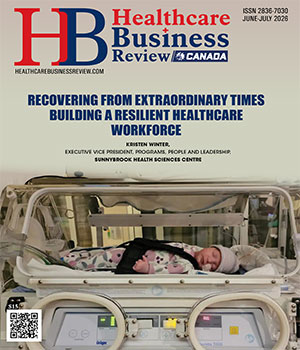
Healthcare workers are no strangers to stress and unprecedented challenges in their roles. Often pushed to their physical and emotional limits, they share the common trait of being able to navigate adversity, find new strength, and continue moving forward. The COVID-19 pandemic has left a deep and lasting impact on our world, and perhaps nowhere is that impact more evident than in the healthcare sector. Healthcare workers have endured unprecedented challenges. They faced an unrelenting increase in their workload, with hospitals overwhelmed by the sheer number of patients seeking care. The fear of contracting the virus themselves and the emotional weight of the demands of patient care created a perfect storm of stress and anxiety across the healthcare sector. Even the once-sought respite of returning home was replaced by the fear of potentially infecting loved ones. Adding to this already heavy load was the weight of knowing that they often represented the sole connection to the outside world for their patients due to restrictions, amplifying the emotional burden they carried. Fast forward three and a half years, and while life may have returned to normal for many, healthcare professionals still grapple with the deep scars from the stress they endured. Burnout, a term all too familiar to those in healthcare, reached new heights during the pandemic. Long working hours, staff shortages and record vacancies, and the relentless strain of balancing professional responsibilities with the need to care for their own families has led to physical and emotional exhaustion. The pandemic stretched healthcare workers to their limits physically, emotionally, and mentally....Read more
Therapy Services
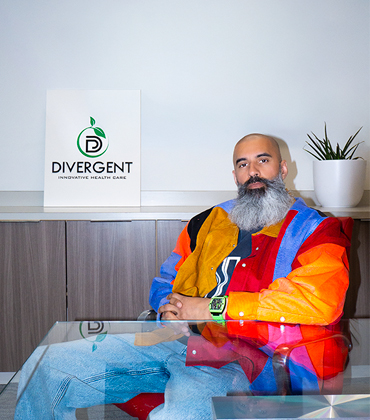
Patients seeking chronic pain treatment at Divergent Healthcare in Calgary, Alberta are rarely seeking relief for the first time. Most have already gone through multiple rounds of physiotherapy, injections, and medication without lasting results. The issue isn’t a lack of treatment but an approach that isn’t built for how chronic musculoskeletal conditions evolve. This is... Read more
Sleep Therapy

Revolutionizing Sleep Medicine: Emerging Technologies and Multidisciplinary Approaches in Diagnosis and Treatment
Adrian Salmon, Director, Sleep Medicine Fellowship Program, UConn Health
Healthcare Consulting

Leading in Radiology
Jenn De Iuliis, Director of Diagnostic Imaging, Woodstock Hospital
Healthcare Consulting

Healthcare & Health Human Resources
Phillip Kotanidis, MHRM, Executive Vice President Support Services & Chief Administrative Officer, Michael Garron Hospital
Sleep Apnea Treatment

Injury Prevention in Sport
Tim Lee, Assistant Director, Vanderbilt Sports Medicine, Vanderbilt University Medical Center
Private Equity Investment
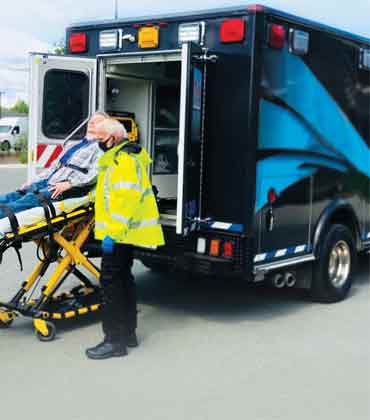
Patient-Centered Evolution of Medical Transport
John MacIsaac, MEd, B Tech, Manager Emergency Preparedness Projects & Planning, Nova Scotia Health Authority
Business Process Outsourcing

Charting Leadership Paths in the Healthcare Sector
Kevin Peters, Executive Director of Clinical Operations, The Ottawa Hospital
Dental Billing Services

Leadership That Listens: Building the Future of Care Through People, Not Just Systems
Heather Janes, CEO, Christie Gardens

IN MY OPINION
Hospice Care
Shadows at the Bedside-Supporting Children During an Adult's Serious Illness or Injury
Cinda McDonald, System Director, Palliative Care Child Life Administration, Baylor Scott & White Health

LAST WORD
Managed Care
Innovating in Times of Crisis: The Time is now
Claudio Soto Angelo, Physiatrist, Clínica Bicentenario Red Salud CChC
IN FOCUS

Multidisciplinary Pain Clinics Navigate Changing Patient Expectations in Canada
Multidisciplinary pain clinics are evolving through integrated care, workforce coordination, and patient-centered positioning, driving sustained engagement and stronger healthcare ecosystem alignment.
The Impact of Healthcare Ethics Consulting on Canadian Practices
Healthcare ethics consulting services protect patient rights, resolve clinical conflicts, and increase accountability.
EDITORIAL
Operational Resilience in Modern Healthcare
Canadian healthcare organizations are operating in an environment defined by workforce shortages, rising patient complexity and increasing pressure to deliver sustainable long-term outcomes. This edition of Healthcare Business Review Canada examines how healthcare leaders are responding with more integrated operational strategies, workforce resilience initiatives and patient-centered models designed to strengthen care delivery and organizational stability.
Recognized as the Top Multidisciplinary Chronic Pain and Injury Clinic in Canada 2026, Divergent Healthcare has developed a structured and diagnostic-driven model for chronic musculoskeletal care. Rather than relying on isolated treatments, the Calgary-based clinic coordinates medical oversight, physiotherapy, chiropractic care, osteopathy and soft-tissue therapies within a defined corrective care process focused on addressing root causes. The clinic’s expanding focus on regenerative therapies and long-term physical optimization further reflects a broader shift toward proactive healthcare models.
This edition also highlights leadership perspectives shaping the future of healthcare workforce management. Phillip Kotanidis, MHRM, Executive Vice President Support Services & Chief Administrative Officer at Michael Garron Hospital, emphasizes the importance of organizational culture, leadership accountability and employee engagement in improving recruitment and retention. He outlines how mentorship, transparent decision-making and values-based leadership contribute to stronger workforce stability and long-term organizational performance.
Kristen Winter, Executive Vice President, Programs, People and Leadership at Sunnybrook Health Sciences Centre, examines the lasting impact of the pandemic on healthcare professionals and the urgent need for resilience-focused workforce strategies. Her insights stress the value of mental health support, collaboration and resilience training in preparing healthcare systems for future challenges.
The organizations and leaders featured in this issue demonstrate that sustainable healthcare progress depends on operational discipline, workforce resilience and coordinated models of care. Their approaches provide a practical framework for healthcare systems seeking to improve patient outcomes and organizational readiness in an increasingly demanding environment.
Let us know your thoughts!
