Thank you for Subscribing to Healthcare Business Review Weekly Brief
× 
Healthcare Business Review Weekly Brief
Be first to read the latest tech news, Industry Leader's Insights, and CIO interviews of medium and large enterprises exclusively from Healthcare Business Review
A featured contribution from Leadership Perspectives: a curated forum reserved for leaders nominated by our subscribers and vetted by the Healthcare Business Review Advisory Board.

UCLA Health
Strategic Approaches in Clinical Case Management
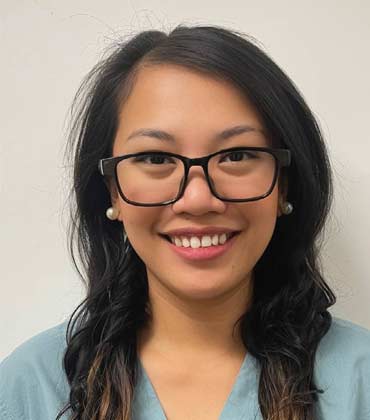
Kim Bautista-Hernandez
Kim Bautista-Hernandez is a Senior Clinical Case Manager known for her relentless work ethic in medical physics consulting. At UCLA Health, she excels in clinical case management and care coordination for post-acute care and review transitions. She is proficient in California Children's Services (CCS), Interqual, and Milliman Criteria Guidelines. Kim is known for her expertise in payor-driven utilization management, including out-of-network repatriation, discharge planning and capitation management.
Through this article, Bautista-Hernandez shares her insights into the successful execution of clinical case management, future trends, and leadership strategies, offering invaluable guidance to organizations seeking to optimize their operation and foster quality healthcare delivery.
Could you share your roles and responsibilities in the current organization?
As a case manager in the acute care hospital setting, I serve as the central point of contact for all stakeholders involved in patient care. This encompasses a diverse range of professionals, including physicians, nurses, physical and occupational therapists, and consulting services.
Our primary responsibility is to craft a comprehensive and safe discharge plan for patients when they are admitted to our facility. This involves close collaboration with the interdisciplinary team to ensure continuity of care and optimal patient outcomes.
The overarching objective of having dedicated case management in place is twofold: to ensure that patients receive the highest quality of care at minimum costs, and we facilitate this by typically involving insurance coverage. Given the intricacies of the American healthcare system, the extent of benefits available to patients is heavily contingent upon the specifics of their insurance coverage. A key aspect of our role is navigating these complexities to maximize the benefits accessible to each patient.
How do you assist patients in achieving their goals?
In addition to coordinating care within the hospital, we engage directly with patients to explore their preferences and objectives for post-discharge arrangements, whether that involves returning home or transitioning to a rehabilitation facility. We coordinate with insurance providers to ensure proper reimbursement for hospital stays. We focus on maximizing the benefits within the parameters of their insurance coverage.
Whether through creative funding initiatives or sponsorship programs, we endeavor to bridge gaps in care for financially disadvantaged patients.
What recent trends have you observed in the clinical case management field?
The shift has taken across the board towards stricter coverage and copayment policies. This trend extends beyond specific insurance providers and encompasses the entirety of insurance offerings. COVID-19 has exacerbated this situation, impacting patient goals and outcomes. The inundation of hospital resources with cases that could have been managed outside the hospital setting has highlighted the importance of early intervention and preventative care.
Unfortunately, many patients are now presenting at hospitals in advanced stages of illness due to delays in seeking primary or outpatient care. This presents challenges in determining the most suitable post-hospitalization care plans amidst increasingly limited insurance coverage. While healthcare professionals strive to provide optimal care, they are often constrained by the limitations imposed by insurance policies. This trend is no longer an anomaly but rather a pervasive challenge faced by case managers across various healthcare institutions.
Could you share your experiences working across multiple organizations and how they are enhancing patient experience?
I hold a full-time position as a case manager at Cedars Sinai Hospital and a part-time position at UCLA Health and the Keck Medicine of USC. Each institution presents unique challenges and opportunities based on factors such as its profit status, available resources and philanthropic support.
One aspect I find particularly intriguing is the innovative ways in which each institution strives to secure resources beyond what insurance coverage provides. Whether through creative funding initiatives or sponsorship programs, we endeavor to bridge gaps in care for financially disadvantaged patients.
Another critical aspect of my role involves managing hospital capacity, a challenge that has only intensified since the onset of COVID-19. With a surge in patient admissions, optimizing resource allocation is essential to ensure efficient care delivery.
Having worked in tertiary hospitals across Southern California, I've observed firsthand the pivotal role these facilities play in providing specialized care to patients from community hospitals.
What would be your piece of advice for fellow peers in the industry?
My advice is to always remember the fundamental reason that led us to pursue careers in healthcare. Despite the challenges and the toll it may take on us physically, mentally and emotionally, it's crucial to continually remind ourselves of our purpose and our role in the lives of those who depend on us.
As healthcare professionals, we are morally obligated to aid those in need. Regardless of the recognition or gratitude we receive, knowing that we've made a difference in someone's life should be our greatest reward. When we can look back at the end of the day and say that we've done our utmost to ensure the safety and well-being of our patients, it reaffirms our commitment to this noble profession.
The articles from these contributors are based on their personal expertise and viewpoints, and do not necessarily reflect the opinions of their employers or affiliated organizations.
