Healthcare Business Review

Advertise

with us

  • APAC
    • US
    • EUROPE
    • APAC
    • CANADA
    • LATAM
  • Home
  • Sections
    Business Process Outsourcing
    Compliance & Risk Management
    Consulting Service
    Facility Management Services
    Financial Services
    Healthcare Consulting
    Healthcare Education
    Healthcare Marketing
    Healthcare Procurement
    Healthcare Staffing
    Medical Staff Training and Development
    Medical Transportation
    Nurse Staffing
    Plastic Surgery
    Regenerative Medicine
    Therapy Services 
    Business Process Outsourcing
    Compliance & Risk Management
    Consulting Service
    Facility Management Services
    Financial Services
    Healthcare Consulting
    Healthcare Education
    Healthcare Marketing
    Healthcare Procurement
    Healthcare Staffing
    Medical Staff Training and Development
    Medical Transportation
    Nurse Staffing
    Plastic Surgery
    Regenerative Medicine
    Therapy Services 
  • CXO Insights
  • News
  • Vendor Viewpoint
  • Conferences
  • CXO Awards
×
#

Healthcare Business Review Weekly Brief

Be first to read the latest tech news, Industry Leader's Insights, and CIO interviews of medium and large enterprises exclusively from Healthcare Business Review

Subscribe

loading

Thank you for Subscribing to Healthcare Business Review Weekly Brief

  • Home
  • CXO Insights

Mentorship Challenges for African American Women Healthcare Leaders
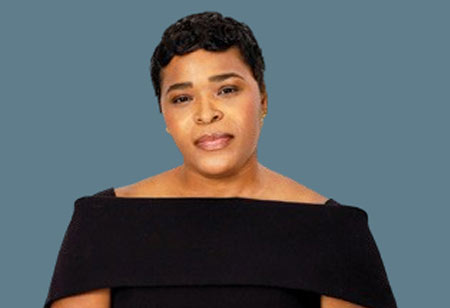
Healthcare Business Review

Shakyra Moore, EdD, MHA, RT (R) (CT), Director of Radiology Operations at Temple Health
Tweet

African American women face levels of barriers to leadership positions in healthcare, in part due to the intersectionality of race and gender. Many potential factors affect the career advancement of women in the healthcare field, including gender disparities associated with differences in education, professional experiences, career aspirations, and organizational support. The one barrier is always a lack of mentoring.


They receive less career mentoring and organizational support than men and white women. The lack of African American women in leadership positions in healthcare fields is problematic for several reasons. First, it is important to increase their number in executive positions because healthcare providers must know a patient’s beliefs, religion, culture, and values to understand their access to healthcare. Second, it is crucial to increase the number of racial and ethnic minorities in this field because racial and ethnic minority health professionals are more likely to provide culturally competent care to racial and ethnic minorities. Culturally competent care describes the ability of a healthcare provider to be able to provide care to patients with the same racial and ethnic backgrounds. The lack of African American women in healthcare leadership positions not only impedes their own aspirations and career advancement opportunities but hinders the healthcare field and quality of patient care.


As such, the barriers to my career advancement in healthcare led me to better understand how formal mentoring and self-select pairing could help me overcome and address barriers to my career advancement. The informal relationships gradually evolved and included shared ideas as well as advice. The relationships I formed provided an encouraging atmosphere that pushed me to continue my journey to career advancement. Self-selected pairing also allowed my mentors to willingly want to develop an ongoing supportive relationship. 


Most of my mentors took the time to counsel me and make sure I was equipped with all the knowledge and tools needed to be successful. Having the freedom to select my mentor allowed me to look internally and externally at their organizations. Integrative support, system development, system linkage, and network support were all ways my mentors helped me gain resources and support to boost my career. The voluntary aspect of the relationship led to enhanced promotions as well as career goals.


When you increase the number of racial and ethnic minorities in healthcare fields, racial and ethnic minority health professionals are more likely to provide culturally competent care to minorities.

The barriers I encountered reaching a leadership position in healthcare were on an intuition level due to a lack of mentoring opportunities. Mentoring is essential for the career advancement of African American women in healthcare. Participating in mentoring programs allowed me to gain support on a senior level. Having this opportunity increased my knowledge about various teaching and learning approaches, which aided in my development. These experiences forced me to continue my educational endeavors and find other resources internally and externally to help me achieve a higher education or leadership position.  Through self-selective pairing, I was able to seek mentors who were willing to develop my leadership skills and aid in my career advancement.


Healthcare providers who reflect the population they serve can provide knowledge of a patient’s beliefs, religion, culture, and values to help healthcare professionals understand their access to health and healthcare. When you increase the number of racial and ethnic minorities in healthcare fields, racial and ethnic minority health professionals are more likely to provide culturally competent care to minorities. Therefore, healthcare organizations will seek diverse staffing to reflect their patient population.


Weekly Brief

loading
> <
  • Current Issue
  • Current Issue
  • Vascular Surgeon Dedicated To Personalized, Transformative Care

    Gabriel Wallace, M.D., Vascular Surgeon, Northwestern Medicine
  • Optimizing Healthcare through Technology: A Path to Improved Patient Adherence, Compliance, and Outcomes

    Nick West, MD, Chief Medical Officer and Divisional Vice President of Global Medical Affairs;Connie Baumgard, MSc, Director, U.S. Medical Affairs, Abbott’s Vascular Business
  • The Role of Technology and Prevention in Modern Dentistry

    Gisella Norlander, General Dentist at Folktandvården Stockholm AB
  • Navigating the Human Capital Crisis in Radiology

    Sandra Phillips, Director of Radiology, Hartford Hospital
  • Artificial Intelligence in Radiology and Breast Imaging

    Fernando Collado-Mesa, MD, Director of Innovation & Artificial Intelligence,Department of Radiology, University of Miami Health System (UHealth)
  • Titus Regional Medical Center's Journey on implementing CT dose tracking and the effects of newer technology

    Bill Saling, Director Of Imaging Services, Titus Regional Medical Center
  • Enhancing Interventional Radiology: The Advantages of a Hybrid IR/CT Suite

    Mario Pistilli, Executive Director, Imaging Services, Children’s Hospital Los Angeles
  • Transforming the Future of Pediatric Radiology

    Steven L Blumer, Associate Medical Director of Radiology Informatics, UPMC

Read Also

Creating a Culture of Trust and Accountability in Medication Safety

Creating a Culture of Trust and Accountability in Medication Safety

Ambrosia Johnson, System Manager, Pharmacy Medication Safety, CommonSpirit Health
READ MORE
National Proton Center Opens in Collaboration with Children's National Hospital

National Proton Center Opens in Collaboration with Children's National Hospital

Jeffrey Dome, Senior Vice President, Children’s National Hospital
READ MORE
Delivering Growth, Collaboration and Innovation Tactics for Nursing

Delivering Growth, Collaboration and Innovation Tactics for Nursing

Imana Mo Minard, Director of Nursing, Corewell Health
READ MORE
Implementation of Pharmacist Credentialing and Privileging at Oregon Health and Science University

Implementation of Pharmacist Credentialing and Privileging at Oregon Health and Science University

Hyelim Lee (PharmD candidate), Gary Lau, Clinical Pharmacy Manager - Specialty Pharmacy Services PharmD, BCOP, BCACP and Amy Szczukowski, Director, Specialty Pharmacy Services, RPh, Oregon Health & Science University
READ MORE
The Real Obligation of Leadership

The Real Obligation of Leadership

Robin Ferrer, Vice President, Chief Nursing Officer, RWJBarnabas Health
READ MORE
The Strategic Voice Defining the Future of Hospital Supply Chains

The Strategic Voice Defining the Future of Hospital Supply Chains

James Fusco, Director of Strategic Sourcing, Yale New Haven Health
READ MORE

The Real Obligation of Leadership

Robin Ferrer, Vice President, Chief Nursing Officer, RWJBarnabas Health

The Strategic Voice Defining the Future of Hospital Supply Chains

James Fusco, Director of Strategic Sourcing, Yale New Haven Health

Electrophysiology at the Core of Next-Gen Eye Care Solutions

Minzhong Yu, Director, Ophthalmic Electrophysiology, Department of Ophthalmology, University Hospitals, Case Western Reserve University

How Nurses Can Sustain Hospitals amid Reimbursement Challenges

Justin Floyd, Director of Nursing- Critical Care Service Line, Peace Health
Loading...
Copyright © 2026 Healthcare Business Review. All rights reserved. |  Subscribe |  Sitemap |  About us |  Newsletter |  Feedback Policy |  Editorial Policy follow on linkedin
CLOSE

Specials

I agree We use cookies on this website to enhance your user experience. By clicking any link on this page you are giving your consent for us to set cookies. More info

This content is copyright protected

However, if you would like to share the information in this article, you may use the link below:

https://www.healthcarebusinessreviewapac.com/cxoinsight/mentorship-challenges-for-african-american-women-healthcare-leaders-nwid-2276.html