
Thank you for Subscribing to Healthcare Business Review Weekly Brief
× 
Healthcare Business Review Weekly Brief
Be first to read the latest tech news, Industry Leader's Insights, and CIO interviews of medium and large enterprises exclusively from Healthcare Business Review
A featured contribution from Leadership Perspectives: a curated forum reserved for leaders nominated by our subscribers and vetted by the Healthcare Business Review Advisory Board.

Wisconsin Diagnostic Laboratories
Meeting the Technical Staffing Shortage in the Clinical Laboratory
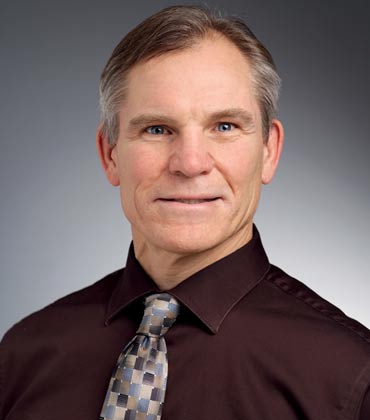
Michael Baron
The clinical laboratory is plagued with staffing shortages and most labs are challenged with finding certified technical team members. I started in the clinical laboratory through the less than traditional route. In 1991 after leaving the active U.S Army, I had a biology/chemistry bachelor degree and was uncertain what work opportunities were available. Rockford Memorial Hospital Laboratory offered me a position in their chemistry department. Since I met CLIA 88 requirements to work in a clinical laboratory they put me to work learning how to run chemistry testing in the clinical laboratory. At the same time, I was given the opportunity for classroom instruction with the chemistry medical director. I had excelled on the bench and in the classroom, and I effortlessly passed the ASCP Clinical Chemistry Certification Examination.
Move forward thirty years, and I am now the Executive Director of Laboratory Operations at Wisconsin Diagnostic Laboratories, and I am faced with extreme shortages with technical team members. The greatest shortages are on the off shifts and within the core laboratory, which include chemistry, hematology, coagulation, and urinalysis. I went back to my beginnings in the laboratory and believed I could recreate the non-certified tech approach I had undergone thirty years ago. In the fall of 2021, I created a clinical trainer role to develop classroom instruction for a group of non-certified tech team members that we were actively recruiting for hire.
In the near future, I will be looking toward other laboratories to come together and build a clinical laboratory education collaborative
The plan was to recruit the best candidates that had science degrees (biology, chemistry, etc.), met the CLIA educational requirements, and their transcripts presented the appropriate coursework. We had many applicants from the advertisement for the non-certified tech to work within our core laboratory. We hired for the demonstrated quality of the candidate with the belief they would have the best chance for success. We presented the opportunity to learn, grow, and develop a career within the clinical laboratory. They would be working within the core laboratory, off shifts (2nd and 3rd) and working in the chemistry and hematology departments. It was clearly presented to these candidates that they would be expected to participate in the classroom instruction, as they learned bench work on the job, and were expected to demonstrate competency with performing assigned testing. After one year of on-the-job training, meeting the demands in the classroom, and achieving passing grades, they would be eligible to take the ASCP certification examination in the specialties of chemistry and hematology.
This non-certified tech program is still a work in progress, though proving to be a success, as we have nine NCT team members meeting the demands of the classroom and supporting the assigned clinical laboratory work. It is a learning experience and the lab trainer with feedback from the NCT team members is routinely adjusting conduct in the classroom, as we expect to continually improve the program with each new group of candidates.I expect there to be a continual cycling of classroom instructional periods to meet the needs of each group of incoming non-certified tech team members.
I am further looking to expand this approach with a laboratory assistant program. The lab trainer is creating class room curriculum for the lab assistant role. This being basic lab skills required within the clinical laboratory. The lab assistant candidate after passing classroom instruction and meeting the time requirements, will be expected to achieve the lab assistant ASCP certification. The lab assistant role can meet much of the workload demand in the clinical laboratory and can become a greater part of an alternative staffing model that will ultimately require less technical staff.
In parallel with the NCT program, I have developed a Clinical Laboratory Scientist Apprenticeship program with Wisconsin’s Department of Workforce Development and the Milwaukee Area Technical College. This is a partnership to develop clinical scientists, which can be reproduced throughout the state with similar partnerships of a clinical laboratory and a local university. Same concept as my NCT program, though in this program, the university provides the classroom instruction while the lab team member learns on the job. In both programs I pay the candidate for the time in the class room, which reimbursement for expenses can include tuition, book fees, and parking fees. With these programs, I am investing in these team member, and I look to gain their loyalty and hope they stay with the laboratory for many years to come. As we all can recognize staff turnover is an equally challenging issue facing the clinical laboratory.
I recognize some laboratory leaders have concerns with these alternative approaches. With the decline in schools running certification programs, I believe in order to keep your lab adequately staffed, you will have to consider these other approaches. As staffing shortages become more problematic, putting resources toward creating these programs will be paramount toward meeting your workload demands. I am finding great success with the candidates who have chosen WDL as their workplace, as I am hiring more to the quality of the candidate, rather than the attained certification.
There is an opportunity for laboratories to band together and collaborate in creating a curriculum for classroom instruction, so each lab is not redeveloping materials that we could otherwise share with each other. In the near future I will be looking toward other laboratories to come together and build a clinical laboratory education collaborative.
The articles from these contributors are based on their personal expertise and viewpoints, and do not necessarily reflect the opinions of their employers or affiliated organizations.
