


 Ibrahim Al-Khatib, Vice President, North America
“We provide a window, and then get out of the way so users and their doctors can have a more informed conversation,” says Ibrahim Al-Khatib, Vice President, North America, Bebird.
That premise has shaped Bebird’s product development. EarSight R1 introduced visual ear care to home users, while Note 5 Pro responded to demand for greater control by adding mechanical tweezers and a device holder. EarSight Plus introduced a flexible lens tube to accommodate differences in ear canal shape, reflecting how the products have evolved to meet needs encountered at home.
Seeing More, Sharing What Matters
Ultra X brings many of those ideas together in a family-focused device. Its 4K imaging and 3.6 mm flexible tube provide a clearer view, while flexible hardware, disposable tips, color-coded personal kits and temperature control address maneuverability, hygiene and comfort. Its eardrop applicator extends its use beyond cleaning, while ear, nose and throat observation accessories broaden the visual approach across the ear, nose and throat.
For families, one device can support different routines while supporting hygienic use, comfort and appropriate professional guidance when concerns extend beyond routine home care.
The broader reach changes the role of visibility. Note 5 Pro allows users to capture and save what they see and potentially share images or videos with family members or healthcare professionals they already have access to. The progression is straightforward. Users can see, capture, save and share. Visual information can help users make more informed and responsible decisions about whether home care may be appropriate or professional attention is warranted.
-
We provide a window, and then get out of the way so users and their doctors can have a more informed conversation.
The broader reach changes the role of visibility. Note 5 Pro allows users to capture and save what they see and potentially share images or videos with family members or healthcare professionals they already have access to. The progression is straightforward. Users can see, capture, save and share. Visual information can help users make more informed and responsible decisions about whether home care may be appropriate or professional attention is warranted.
Bebird does not present its products as diagnostic tools or substitutes for an ENT. Its broader ear, nose and throat direction follows the same principle as its ear-care products, giving users a clearer view they can document and, where appropriate, share with a healthcare professional. The aim is to support informed action without blurring the line between consumer technology and medical judgment.
Customer Feedback Shapes The Roadmap
The product roadmap also reflects what users have asked for. Early frustrations with pairing and connectivity prompted improvements across iOS and Android. Requests for easier image sharing influenced Note 5 Pro, while demand for more accessory options led to expanded interchangeable-tip options for households that use one device among several family members.
Customer feedback has also reinforced Bebird’s preference for straightforward positioning. Users want reliable tools that do what they say rather than overblown medical claims. The company’s response has been to remain clear about what its products can show and what still belongs with a healthcare professional.
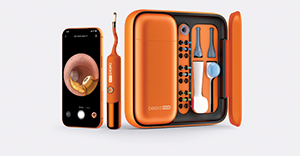 A customer example makes the distinction tangible. One customer, who regularly experienced blocked sensations from wax buildup, used Ultra X to view the live feed and position the cleaning tip. He valued being able to see the buildup, notice anything unusual and make more informed decisions about seeking professional attention. Bebird presents his experience as an illustration of visibility in practice, not as clinical evidence.
The company’s recognition as Top Smart Ear Care Products in APAC for 2026 reflects an approach that goes beyond the mechanics of ear cleaning. Bebird is connecting visual inspection with capture, saving and potential sharing while extending the same principle toward broader ear, nose and throat inspection. The result is a home-use model centered on visibility, informed and responsible action and appropriate professional involvement.
What Makes Smart Ear Care Safe at Home
Home ear care devices face a narrow design margin. A buyer is not only comparing camera specifications or accessory counts. The product must help a user see enough to guide a small tool inside an ear canal while limiting the chance of discomfort, poor positioning, excess pressure or unsafe cleaning. That places image quality and physical control at the center of the buying decision. Resolution matters, but buyers should also examine lighting and latency, along with field-of-view stability and orientation during movement. A sharp image that arrives late or loses orientation during use can undermine the purpose of visual guidance.
Physical design deserves equal scrutiny because ear canals vary in width and shape. A rigid tip that works comfortably for one user may be awkward for another. Product evaluation should look at tip diameter, tube flexibility, grip stability and response to small hand movements. Temperature at the point of contact also matters when electronics remain close to sensitive skin. Household use introduces another layer. Replaceable or personal-use attachments can reduce cross-use concerns without forcing buyers to treat each device as a single-person product. Controls matter at the moment of use as well. A device that requires frequent grip changes or obscures the viewing angle can increase hand movement where steadiness is more important than feature depth.
Connected features should be judged by what they add after the camera has done its job. Pairing delays, dropped feeds, app crashes or complicated setup quickly turn a visual tool back into a frustrating one. Reliable app performance across major mobile platforms therefore affects daily usability as much as the hardware itself. Saving an image can also be useful when a user wants to compare what they see over time or share a visual record with a clinician they already know. That function should not be confused with diagnosis. Products are more credible when their software supports observation and communication without implying that an app can replace professional assessment.
“Bebird’s Ultra X combines 4K imaging with a 3.6 mm flexible lens, while temperature control and disposable tips address comfort and hygiene during household use.”
The range of use inside the household can also separate a practical product from a feature-heavy one. A device designed only for wax removal may be sufficient for some buyers, while others may want inspection or careful application of ear care solutions. The decision should depend on whether added functions are integrated into the same controlled viewing experience rather than attached as accessories with little effect on use. Executives comparing products should pay attention to whether each feature changes what a user can safely see or do.
Bebird builds its smart ear care range around live visual guidance rather than blind cleaning. Its Ultra X combines 4K imaging with a 3.6 mm flexible lens, while temperature control and disposable tips address comfort and hygiene during household use. Bebird also supports image sharing through models such as Note 5 Pro, allowing users to save and send what they see to family members or healthcare professionals they already consult. The app is designed to maintain a live feed across iOS and Android rather than serve as a diagnostic service. For buyers prioritizing clear visualization, adaptable physical design, reliable app connection and practical image sharing, Bebird merits consideration within smart ear care procurement.
...Read more
Smart Ear Care Products in APAC Info
Q1
What Do Smart Ear Care Products Offer for Home Ear Care?
Smart Ear Care Products use small cameras and cleaning attachments to help users check their ear canals at home. Unlike traditional tools, which do not show the inside of the ear, these devices display images on a connected smartphone. This helps users see earwax buildup and guide their movements. Some devices include flexible camera tubes, replaceable tips and image capture features. However, these tools cannot diagnose medical conditions or replace professional care when symptoms or concerns need attention.
Q2
How Does Bebird Apply Visual Technology to Ear Care?
Bebird develops Smart Ear Care Products around the principle that visibility can help users make better-informed decisions about ear hygiene. Its EarSight R1 introduced visual inspection for home use, while Note 5 Pro added mechanical tweezers and a device holder for greater control. EarSight Plus introduced a flexible lens tube to accommodate differences in ear canal shape. These developments show how the company has incorporated user needs into its product range, combining visual guidance with practical design features.
Q3
Which Features Matter When Choosing an Ear Cleaning Device?
Smart Ear Care Products should offer more than a high-resolution camera. Image clarity, lighting, connection stability and a clear viewing angle all affect how well users can see the ear canal. Physical design also matters because a flexible tube, stable grip and appropriately sized attachments can improve handling. Buyers should examine how easily the device connects to a smartphone and whether its controls support steady movement. Reliable performance, practical accessories and clear safety guidance are more useful than a long list of features that add little value during use.
Q4
How Can Connected Ear Care Devices Support Better Communication?
Connected ear care devices can help users capture and share visual information when they need to discuss an ear concern. Smart Ear Care Products with image storage and sharing functions may help users show what they observe to family members or healthcare professionals they already consult. This information can support a conversation about whether professional assessment is appropriate, but it cannot confirm a condition or establish treatment needs. Users should seek qualified medical advice for persistent pain, hearing changes, discharge or other concerning symptoms rather than relying on a camera image alone.
Q5
What Distinguishes Bebird's Ultra X From Other Home Ear Care Tools?
Bebird's Ultra X combines 4K imaging with a 3.6 mm flexible lens tube to provide a detailed view of the ear canal. Its design also includes temperature control, disposable tips and an eardrop applicator. Additional accessories support observation of the ear, nose and throat. These Smart Ear Care Products features address several practical needs within one device, including visibility, maneuverability and hygiene. The company positions its technology as a tool for observation and informed decisions, not as a diagnostic device or substitute for an ear, nose and throat specialist.
Q6
How Should Users Check Safety and Hygiene Before Buying?
When choosing Smart Ear Care Products, users should check how to clean the device, how easy it is to handle and how well its app works. Replaceable tips and personal-use accessories can help keep devices clean when several people in a household use them. However, a clear image does not prevent injury from inserting a tool into the ear canal. Users should avoid pushing the tool too far or using force. They should seek professional advice if earwax buildup or other symptoms need attention. Home ear inspection should not replace medical care.
